



July 2, 2026

The Impact of Design on Brand Perception

Design plays a vital role in how a brand is perceived, from logos to typography, visual elements are powerful tools in communicating brand values
author potrait woman in red background
Chloe Hayes
AUTHOR
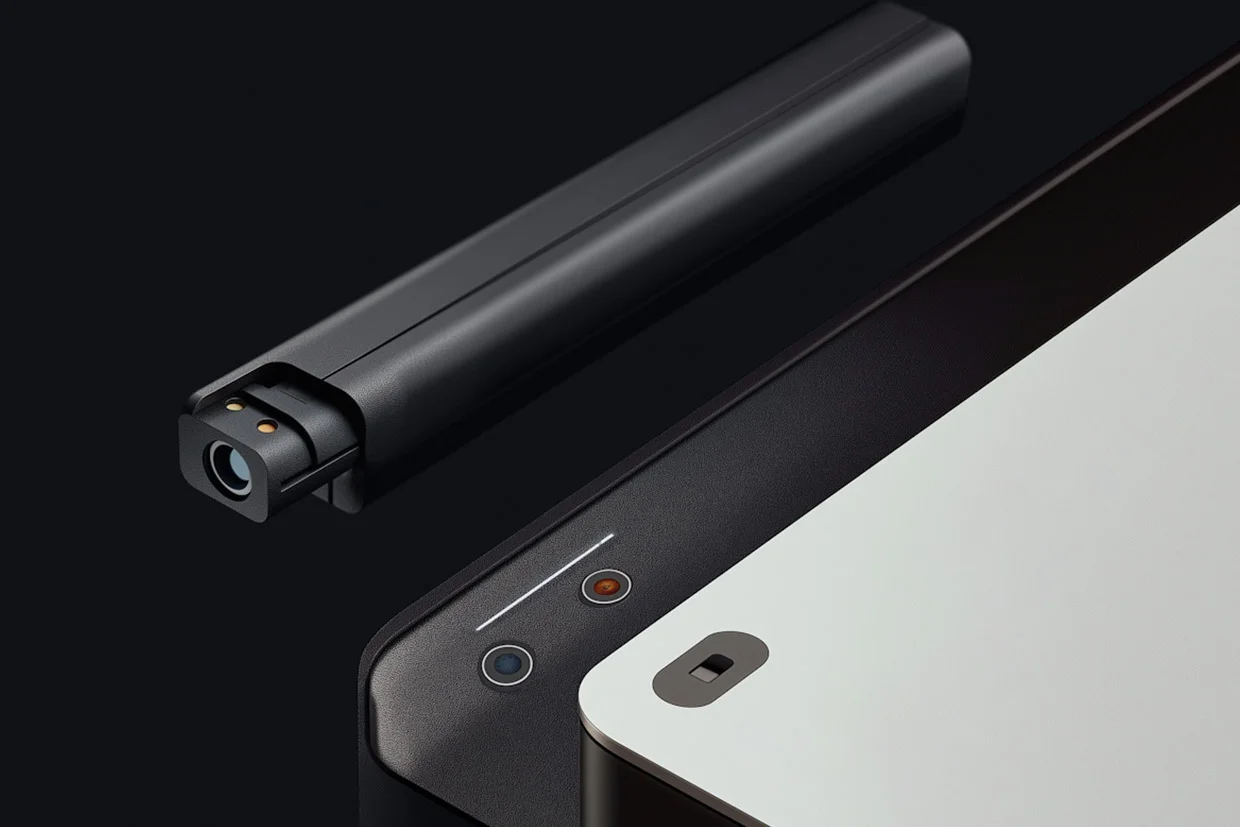
A close-up of a modern electronic device with a sleek, black and white design, emphasizing its minimalistic and sophisticated build.

Perception

Design plays a critical role in shaping how consumers perceive a brand. A well-designed product or marketing material can enhance credibility and attract attention. Design plays a vital role in how a brand is perceived. From logos to typography, visual elements are powerful tools in communicating brand values. Here’s how design influences brand perception:

  • Visual Appeal: Good design makes a memorable first impression.
  • Connecting with Your Audience: Design choices that reflect the audience’s preferences build trust.
  • Building Credibility: A professional and clean design enhances the brand’s reputation.

"Design is the silent ambassador of your brand."
— Paul Rand, Graphic Designer

Elements

Elements such as color, typography, and layout contribute to the overall perception of a brand. Consistency in these elements reinforces brand identity and fosters trust.
  1. Data Insights: AI tools can analyze large amounts of user data quickly. These insights help teams identify usability issues and improve product decisions.
  2. Automated Testing: AI-powered testing tools can simulate user interactions across different scenarios. This allows teams to discover problems earlier in the design process.
  3. Personalized Experience: AI enables products to adapt to individual users. Personalized recommendations and content make digital experiences feel more relevant.

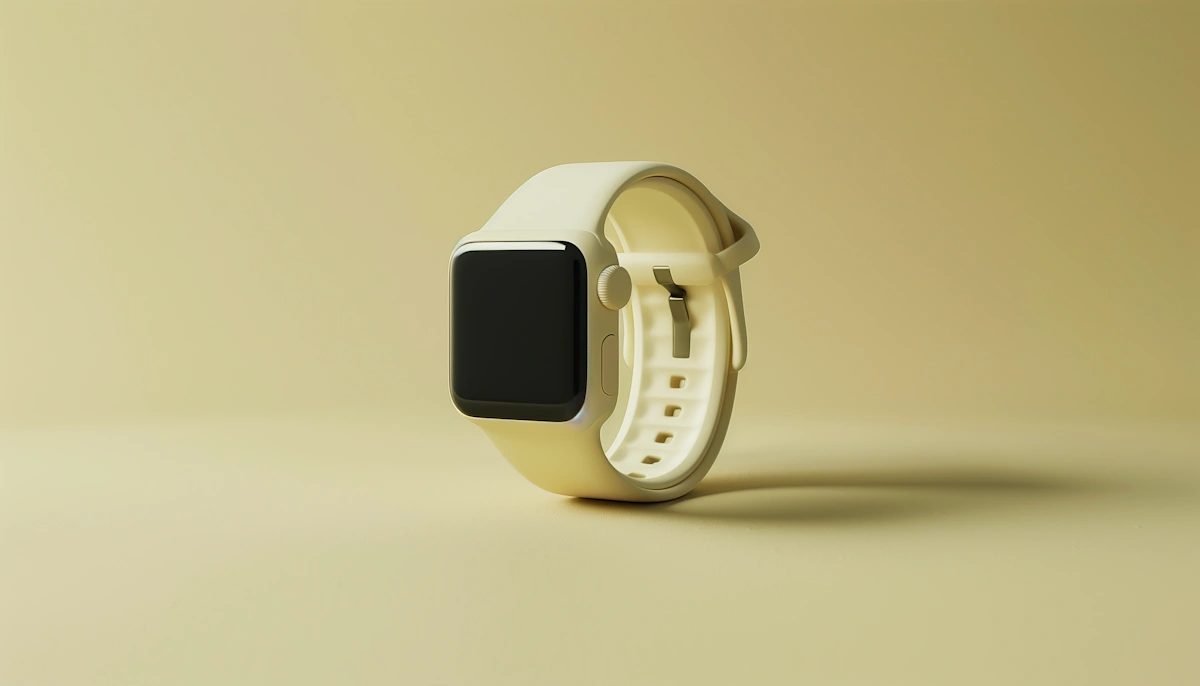
Minimalist Smartwatch

Summary

This article discusses the impact of design on brand perception and key elements to consider. Design isn’t just for aesthetics; it’s a crucial tool in shaping brand perception. Brands with consistent and relevant designs create stronger connections with their audience.

  • Predictive Insights: Understanding user behavior through intelligent data analysis
  • Automated Design Support: Faster prototyping and iterative testing processes
  • Adaptive Interfaces: Personalized experiences tailored to individual users

AI does not replace human creativity—it expands it, allowing designers to focus on solving meaningful problems while technology handles repetitive tasks.

Article
Latest Article
(03)
Discover Insights
Start a New Project
Start a New Project
Start a New Project
Start a New Project